Zero, the single green pocket on a roulette wheel, has a surprising effect on how the game plays out. Whether you are new to roulette or already familiar with the spins, knowing what zero does helps you make more informed choices and enjoy the experience.
This article explains how zero changes the odds, the potential returns of betting on it, how it affects behaviour at the table, and how it contributes to the casino’s edge. Read on to understand why that one green pocket matters so much and what to expect when you place a chip on zero.
What Does Zero Mean in Roulette?
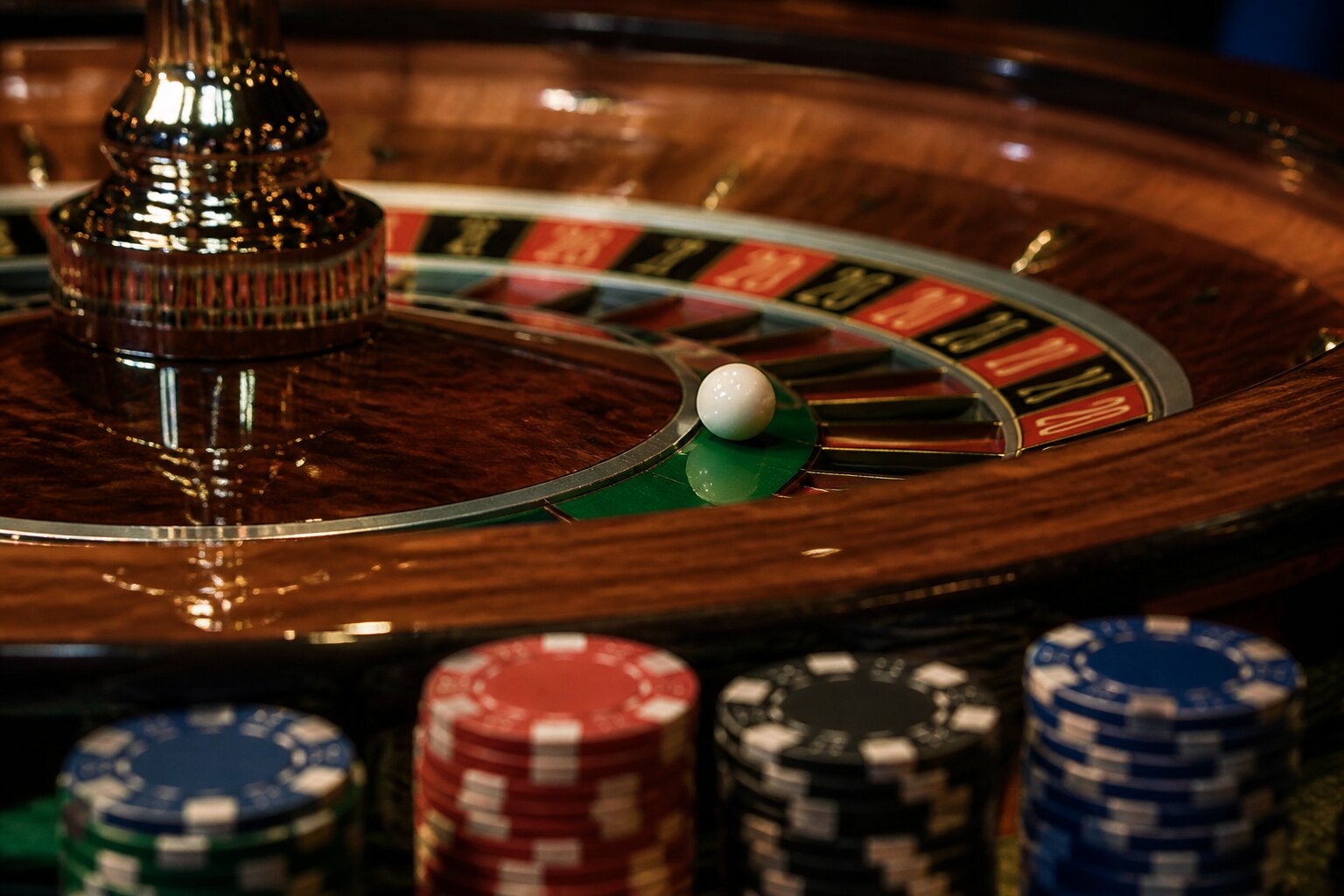
Zero occupies a special role in roulette. On a European wheel there are 37 pockets, numbered 0 to 36, with a single green zero. An American wheel adds a second green pocket marked 00, bringing the total to 38 pockets.
Zero is separate from the red and black numbers and from the even and odd groupings; it is treated differently by the rules. When the ball lands on zero, many outside bets such as red/black, odd/even and dozens lose, unless the table uses a variant rule that changes that outcome. Inside bets on a particular number only win if that number is the result. The inclusion of one or two green pockets is the mechanism by which casinos secure a long-term advantage, which we'll quantify later in the piece. Next, the article looks at the concrete risks of backing zero at the table.
Risks of Betting on Zero
Placing a wager on zero brings a clear and measurable risk: the probability of the ball landing on that single pocket is low. On a European wheel the chance is 1 in 37, and on an American wheel the presence of 00 increases the number of pockets to 38, reducing the chance for any single green pocket.
Because wins are infrequent, repeated bets on zero can deplete a bankroll quickly. Although a straight-up number pays 35 to 1, the payout does not fully reflect the actual odds, and the difference accounts for the house advantage. Chasing rare wins by upping stakes tends to magnify losses rather than recover them.
A measured approach to gambling helps minimise harm: set limits, stick to a predetermined budget, and accept that the game is entertainment. With those boundaries in place, you can consider whether the potential payout is worth the risk. Understanding these risks prepares you to weigh the potential rewards more clearly.
Potential Rewards When Betting on Zero
The appeal of betting on zero is its large payout relative to other bets. A straight-up win pays 35 to 1, so a £1 stake returns £36 in total. Increasing the stake scales that return proportionally: a £5 bet would return £180 in total if zero comes up.
Those returns are eye-catching, but they sit against a low probability of success. On European wheels the win chance remains 1 in 37 and, on American wheels, each green pocket has a 1 in 38 chance. That balance between high payout and low probability is central to why some players choose occasional straight-up bets as part of their strategy or for the thrill of a big single-number win.
Next, we’ll look at how zero changes the atmosphere and choices at a roulette table when it appears.
Table Dynamics and Player Behaviour
Zero alters how players respond and how the game flows. When the green pocket appears, it often causes a visible reaction because it immediately affects many outside bets. Players who had placed chips on zero collect a sizeable payout, while others may see their even-money bets wiped out. These moments can change the mood at the table and influence subsequent wagering decisions.
Some players react by copying a winning zero bet, while others become more cautious. Conversations about patterns or streaks commonly follow a zero hit, even though each spin is independent. Table limits for minimums and maximums also shape behaviour, determining whether a player can stake enough to make a straight-up bet meaningful in their session. This social and structural interplay feeds into dealer procedures and the specific rules that apply to zero.
How Zero Bets Affect Table Play
When zero appears, there is often a short pause as chips are settled, and this interruption can slow the game and draw attention to that pocket. Players witnessing a win on zero may be tempted to try a similar wager, while others adjust their betting style to avoid large, sudden losses. The outcome can subtly change how long people stay at the table and what bets they favour next, especially for those betting conservatively.
Dealer Actions and Rules Relating to Zero
Dealers apply consistent procedures when zero is spun, and some tables use special rules to modify the outcome for even-money bets. One such option is a rule that holds an even-money stake for the next spin rather than declaring it lost immediately; if the bet wins on that following spin the stake is returned, otherwise it is lost. Another rule returns half of an even-money bet when zero occurs, reducing the immediate loss for those wagers.
These rule variations do not remove the house advantage, but they do change the short-term risk profile for even-money bets, making those tables slightly more favourable for players who prefer lower volatility. With that context in mind, the next section explains how zero contributes to the house edge in concrete terms.
House Edge Explained for Zero Bets
The house edge is the built-in advantage that ensures casinos expect to profit from roulette over many spins, and zero is the key factor that creates that edge. In European roulette, with a single zero, the house edge is approximately 2.70%. In American roulette, the extra double zero raises the edge to about 5.26%.
This translates into expected losses averaged over time. For example, £100 wagered repeatedly on a European table is expected to return around £97.30 in the long run, with the remaining amount representing the casino’s advantage. The same principle applies regardless of the type of wager: the presence of the green pocket or pockets shifts the expected return below the stake.
Recognising the house edge helps set realistic expectations for any betting decision. It explains why occasional wins can occur without altering the long-term balance, and it highlights why betting strategies cannot overcome the mathematical advantage built into the game. Understanding this leads naturally to comparing zero bets with other common wagers, which is the topic of the next section.
How Do Zero Roulette Bets Compare to Other Wagers?
Zero bets are straight-up bets, paying 35 to 1, and they contrast with outside and combination wagers in both probability and payout. Outside bets such as red/black and odd/even have higher chances of success but lower returns, while split or dozen bets sit between these extremes.
Below is a clear comparison of common roulette bets on a European wheel, showing how odds and payouts differ.
Bet Type
Odds of Winning
Payout
Zero (Straight Up)
1 in 37 (2.70%)
35 to 1
Red/Black
18 in 37 (48.65%)
1 to 1
Even/Odd
18 in 37 (48.65%)
1 to 1
Split (Two Numbers)
2 in 37 (5.41%)
17 to 1
Dozens/Columns
12 in 37 (32.43%)
2 to 1
Straight-up zero bets offer the largest payout for a single number but come with the lowest probability of success. Outside bets are more frequent winners but deliver modest returns. The house edge remains the same across bets, so picking a wager comes down to how much volatility and potential reward a player prefers.
Explore Casino Games at Online Bingo
Ever wondered what it’s like to have a range of casino games at your fingertips? We invite you to experience our site in your own way, with a world of games to discover and enjoy at your own pace.
It’s easy to take part—creating an account only takes a few moments, and you can make a deposit and start playing whenever you’re ready. We look forward to welcoming you and hope you enjoy every moment with us.
**The information provided in this blog is intended for educational purposes and should not be construed as betting advice or a guarantee of success. Always gamble responsibly.