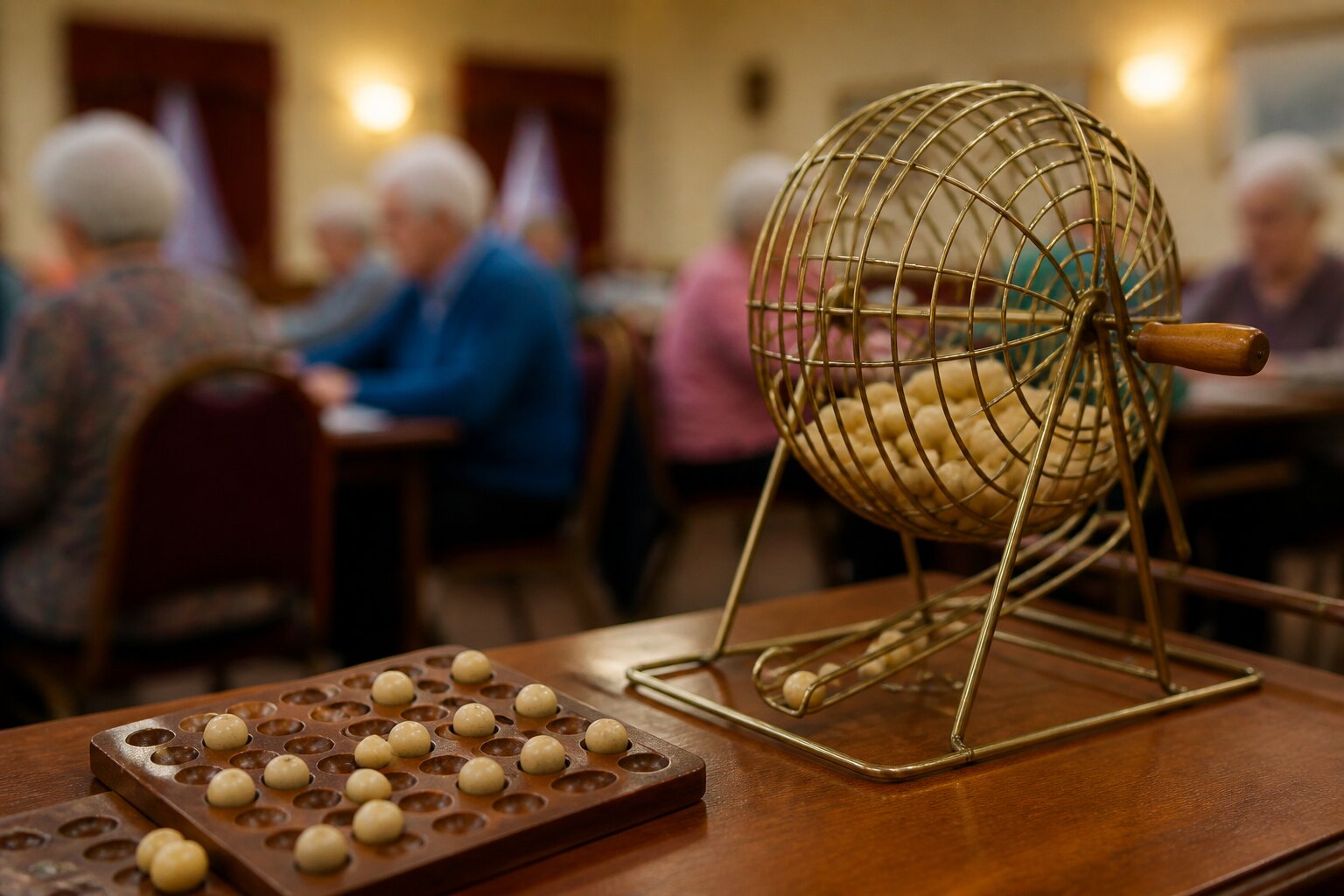
Bingo isn’t just a game found in community halls and online sites — it's a classic with a long and surprising history. Behind every shout of “house!” lies centuries of tradition, colourful characters, and shifts in how people have played.
Ever wondered where bingo really came from, or how it travelled from simple lotteries to the social game many recognise today? Whether you play often or only occasionally, the story contains moments that might genuinely surprise you. Keep reading to follow bingo’s journey from early Europe to the present day.
What Is the True Origin of Bingo?
The story begins in 16th century Italy with a national pastime called Il Gioco del Lotto d’Italia, played as early as 1530. This weekly lottery used numbered tickets and became a widespread form of public entertainment, laying the groundwork for later developments.
By the late 1700s the game had reached France, where it was known as Le Lotto. The French version introduced structured cards, tokens and a caller, features that would carry forward into later incarnations. Each country that adopted the game added local touches, so the form played in France looked closer to modern bingo than the original Italian lotto.
Over centuries these early lottery games crossed borders and evolved. People adapted the format to suit education, fundraising and leisure, which gradually transformed a civic lottery into the social game familiar today.
How Did Bingo Evolve Into the Game We Know Today?
As the game moved through Europe it took on new roles. In 19th-century Germany, for example, a lotto-style game became a teaching tool used in classrooms to practise spelling and arithmetic, demonstrating how the format could be repurposed.
When the game reached the United States it turned into a carnival attraction. In 1929 a version called beano appeared at a fair in Georgia, with players marking cards using beans. The name bingo is said to have arisen shortly afterwards, when someone called out the word by mistake during a win.
Edwin S. Lowe, a toy salesman, saw the potential for mass appeal and worked to standardise cards and rules, which helped spread the game into halls and clubs. From there, its simple structure and social nature made it easy to adopt in many settings, from charity fundraisers to community centres.
This steady evolution shows how small changes—different cards, new calling styles, or a single entrepreneur’s revisions—can reshape a pastime into a lasting cultural fixture.
Was Bingo Always Called “Bingo”?
No. The earliest Italian form was simply Il Gioco del Lotto d’Italia, and in France it was Le Lotto. In Germany the game often carried educational labels rather than a single name.
When the format arrived in the United States it was commonly called beano, as players marked numbers with beans. The switch to the name bingo occurred soon after, and it stuck as the dominant term as the game spread further.
Names changed as the game crossed regions because local players adapted the vocabulary and style to suit their communities. That pattern of local adaptation has continued into the present day.
Bingo’s Popularity in the UK: How Did It Spread?
Bingo reached the UK in the early 20th century and quickly became part of social life in halls, churches and clubs. People gathered not only to play but to socialise, which helped the game become embedded in community routines.
The 1960 Betting and Gaming Act formalised bingo halls, and the number of dedicated venues rose significantly. These halls provided a regulated, communal space where people came together regularly, helping bingo become one of Britain’s most recognisable pastimes.
Technology later changed the landscape. From the late 1990s onward, online bingo offered the same basic game in a format people could access from home, at different times of day. That shift broadened the player base and introduced new features such as themed rooms and chat functions.
Today, bingo in the UK exists both in physical venues and online, each keeping the social side of the game alive while offering different ways to join in.
There’s more to the story than venues and legislation — next we’ll look at the common myths that have grown up around who invented the game and what influences its outcomes.
Famous Myths and Misconceptions About Bingo’s Invention
Bingo’s long history has produced a number of myths. Clearing these up helps to understand what the game really is and isn’t.
Myth: Bingo Was Created by One Inventor
Bingo did not spring from a single mind. Its development was gradual and took place over centuries, adapting to different cultures and settings.
Key influences included:
- the Italian lotto from the 16th century,
- French adaptations that brought different card and calling styles,
- German uses of the game in education and social settings,
- various American refinements that formalised patterns and prize structures.
Because so many people and places contributed, no single inventor can claim the entire history. The game evolved through small changes, popular adoption and local rules rather than a single defining moment.
Myth: Bingo Is All About Skill
Some people think strategies or techniques can guarantee a win. Numbers in bingo are drawn at random, so while certain choices can affect your chances, no method can ensure a particular result.
Playing more cards, for example, increases the number of opportunities to mark a winning pattern, but it also demands more attention and can become harder to manage. Other approaches, such as choosing sessions with fewer players, may change the odds slightly, yet they do not eliminate the element of chance.
The Role of Random Draws and Player Choices
Bingo’s outcome depends on the numbers called, which are selected without pattern. There is no predictable sequence that players can rely on to force a win.
Players can influence their personal experience through choices such as:
- how many cards to play,
- which sessions to join,
- whether to play traditional or electronic formats.
These decisions affect how many winning opportunities a player has and how comfortable they are during play. But those choices work within the framework of random draws rather than overriding them.
If you are curious about tactics, many players focus on pacing themselves, managing how many cards they take, and choosing sessions that suit their preferences. These approaches make the game more enjoyable and manageable, but they should not be mistaken for guaranteed strategies to win.
The Social and Cultural Impact of Bingo
Beyond the mechanics of play, bingo has been important for social life. It has brought people together at social clubs, church events and local halls, and later continued that role online through chat rooms and virtual gatherings.
These communal aspects extend to charity and fundraising. Bingo events have long supported local causes, creating a link between entertainment and civic benefit. In many communities the game became a reliable way to raise funds while also providing a social occasion.
The social atmosphere of bingo has adapted with technology. Online chat features and themed events let players maintain conversation and community when they can’t meet in person, preserving the social core of the game across formats.
Modern Bingo: How Has the Game Changed?
Modern bingo now exists across live venues and digital platforms. Online rooms, mobile apps and automated calling systems have made it easier to play at varying speeds and with different formats, from traditional 90-ball games to faster electronic variations.
Operators now combine features to suit contemporary players: multi-room lobbies, themed events and loyalty programmes have broadened how people engage. At the same time, industry rules ensure fair play and consumer protections are in place.
On our site we offer a range of online rooms and helpful account tools such as deposit limits and time reminders, designed to give players control over their experience. These features aim to protect players while keeping the focus on entertainment and community.
As technologies change, the game continues to adapt, but the basic pattern of numbers, cards and calls remains central.
Interesting Facts About Bingo’s History
Bingo’s path through history contains a number of notable points that show how the game has shifted and stayed the same.
UK Bingo Halls Boomed
After the 1960 legal changes, hundreds of bingo halls opened across the UK. For many decades bingo was one of the country’s most popular social games, providing regular meeting points for local communities.
Charity Connections
Bingo has long been used to raise funds for local charities and community organisations. Its format makes it suitable for fundraising nights where the proceeds support local projects.
Unique British Bingo Calls
British bingo calls — such as “legs eleven” for 11 — are part of the game’s cultural identity. These traditional phrases add a performative and communal element to sessions in halls across the country.
Speedy Online Transformation
When the internet arrived, bingo adapted quickly. Online communities, chat rooms and virtual events became common, allowing the social aspects of play to continue in new forms.
These facts show how bingo remains flexible: it’s been a teaching tool, a fundraiser, a social fixture and a digital pastime, while retaining a recognisable core.
Bingo’s history is one of gradual change and social connection: a simple format that has travelled widely, been adapted by different communities, and stayed relevant by evolving with the times.
**The information provided in this blog is intended for educational purposes and should not be construed as betting advice or a guarantee of success. Always gamble responsibly.