Ever wondered how many scratch cards come in a roll or what happens if you buy a full one? You are not alone. Whether you want to understand how rolls are made or what to expect when a shop opens a new pack, the mechanics behind these tickets are straightforward once you know where to look.
This post sets out clear facts about scratch card rolls, typical quantities, and what to bear in mind if you are considering a bulk purchase. It also covers the distribution of prizes and the legal safeguards that apply in the UK.
Read on to get a complete picture of how scratch card rolls work and what to expect before you decide to buy.
What Is a Scratch Card Roll?
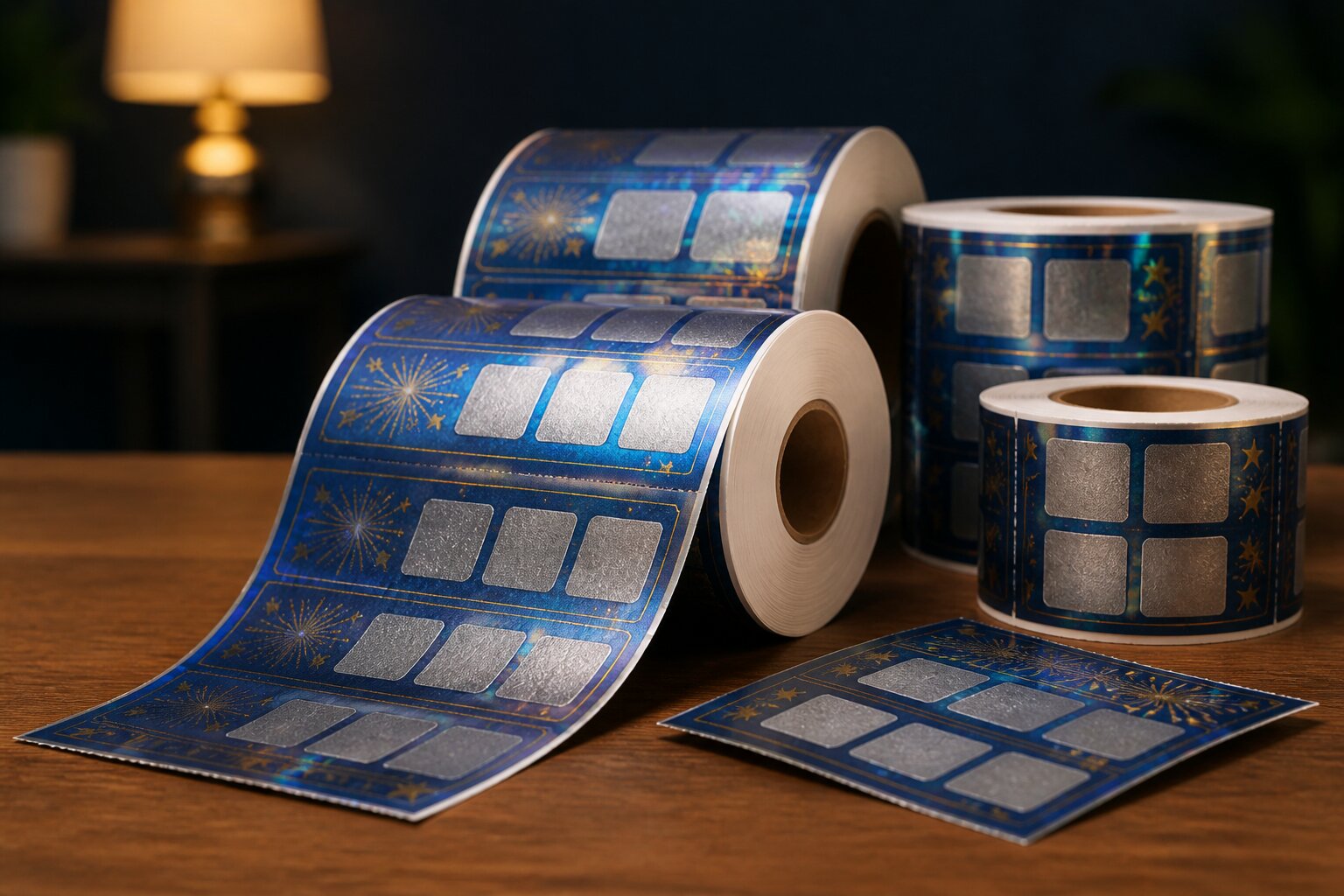
A scratch card roll is a batch of scratch cards packaged together as one unit for distribution to retailers. Rolls make it simple for shops to store and display tickets; they are delivered sealed and then placed in dispensers so customers can buy single cards.
Each card in a roll belongs to the same game and carries a unique code and a pre-set set of possible prizes. The operator or producer determines the prize structure and the overall payout percentage for the full print run. Cards are mixed and allocated before they leave the factory so that prizes are distributed across all rolls rather than concentrated in a few.
Retailers receive rolls ready to use and cannot predict where any larger prizes are located in a sealed pack. Understanding this setup helps explain why buying a whole roll won’t change the published odds or the way prizes are spread.
How Many Scratch Cards Are in a Full Roll?
Roll sizes vary by game and ticket price, and the producer decides the exact number of cards in each roll. Typical examples include rolls of:
- 120 tickets for £1 games.
- 60 or 75 tickets for £2 games.
- 50 tickets for £3 games.
- 30 or 40 tickets for £5 games.
Promotional or specialist games sometimes use different quantities to suit the campaign or distribution plan. These may be smaller or larger than the standard examples above depending on how the publisher wants to distribute stock or time a promotion.
The important point is that roll size is an operational decision rather than a signal about prizes or the likelihood of winning. Roll length tells you about printing and distribution logistics, not about the game's odds or prize structure.
Knowing typical roll sizes also explains the cost of buying an entire roll, which we examine next. Understanding roll quantities helps when calculating the total outlay for a full roll and planning distribution or retail space.
Where Can You Buy Full Rolls of Scratch Cards?
Full rolls are not commonly sold to members of the public. Most retailers sell cards individually, and whether a shop will part with an unopened roll is up to the manager’s discretion. When stores do agree, they may still apply spending limits or internal rules to manage stock and protect other customers.
Official online channels do not sell full rolls of scratch cards in the UK; physical outlets are the authorised sales route. Proof of age checks apply to any purchase and retailers can refuse a sale if they cannot confirm a buyer is 18 or over.
If you do find a retailer willing to sell a roll, expect it to be handled the same as any other gambling product, with staff following procedures designed to ensure lawful sales and appropriate safeguards.
Full Roll Costs & Payout Expectations
The total cost of a full roll is simply the ticket price multiplied by the number of cards in the roll. For example, a roll of 120 £1 tickets costs £120, while a roll of 40 £5 tickets costs £200.
Each game publishes a payout rate, also called Return to Player (RTP), which shows the percentage of total sales returned as prizes across the whole print run. Typical RTPs for scratch cards commonly fall between 60% and 75%. This means that over the entire production, the operator will pay out that share of sales as prizes, averaged across all tickets.
RTP figures are long-run averages calculated across millions of tickets. Buying a full roll gives no assurance of matching the RTP for that roll; actual prize returns for any single roll can be higher or lower than the published average.
Can You Win Big by Buying a Whole Roll?
Buying every ticket in a roll does not improve the published odds of winning top prizes. Major prizes are allocated across the entire print run, which can include millions of tickets, so the position of a large prize is effectively random with respect to an individual roll.
A roll might include some small prizes as part of the game’s design, and occasionally a larger prize will appear in a single roll. However, top prizes are rare and the chance of finding one in any specific roll remains very small. Published odds typically show the frequency of any prize and the much lower frequency of top jackpots.
Given how prizes are distributed, purchasing a whole roll is not a reliable route to a big win. The economics are governed by the payout rate and the probabilities set for the whole game, rather than by how many tickets a single person buys.
This understanding of prize allocation leads naturally into a closer look at how distribution works in practice.
Key Facts About Scratch Card Distribution & Odds
Scratch cards are printed and allocated under strict controls so that prizes are spread across all tickets in the print run. The producer assigns prizes during printing and then mixes tickets so sealed rolls are indistinguishable in terms of prize content.
A typical roll might contain a number of small-value wins and, rarely, a larger prize. The most valuable prizes are spread through the entire run and are not guaranteed to appear in any given pack. Retailers receive sealed rolls and have no way of identifying rolls that contain high-value prizes.
Rules for each game state the odds for various prize tiers. These odds explain the relative frequency of small wins compared with the scarcity of top prizes and help set realistic expectations for what a roll may contain.
Distribution of Prizes Across a Roll
Prizes are fixed into the print run before rolls are sealed and dispatched. For instance, a roll might list several small prizes such as refunds of the ticket price or modest cash amounts, but only a tiny fraction of rolls will contain larger prizes. The chance of a roll holding a top jackpot is therefore very low.
The next section clears up common misconceptions about prize placement and buying behaviour.
Common Myths Debunked
Myth: All rolls contain a guaranteed top prize.
Fact: Top prizes are spread across the whole print run and are not guaranteed in every roll.
Myth: Buying a full roll increases the odds of a jackpot.
Fact: The published odds for prizes apply regardless of how many tickets are purchased at once.
Myth: Wins follow a pattern within every roll.
Fact: Prizes are placed randomly during production, with no set sequence.
Myth: Retailers can keep winning rolls for certain customers.
Fact: Rolls arrive sealed and randomised; retailers cannot know which rolls contain major prizes.
With the distribution system explained, it is important to know the legal and age-related safeguards that protect players.
Legal & Age Requirements for Purchasing Scratch Cards
In the UK, scratch cards may only be sold to people aged 18 and over. Retailers must ask for photographic ID if they are unsure of a customer’s age and are legally permitted to refuse a sale where age cannot be verified.
Retail staff receive training and must follow rules designed to prevent underage sales. Selling scratch cards to someone under 18 is a criminal offence and can result in significant penalties for the retailer.
If concerns about gambling behaviour arise, independent support is available from specialist organisations that offer confidential advice and guidance.
Quick Summary
You must be 18 or over to buy scratch cards in the UK. Shops will check ID if there is any doubt, and selling to minors is illegal. Rolls are sealed and randomised so prize positions are unpredictable, and the published Return to Player percentage describes average payouts across the entire print run. Buying a whole roll does not change the official odds for any prize tier.
These are the practical facts to keep in mind when deciding whether to buy individual cards or a full roll.
Explore Casino Games at Online Bingo
We’d love to welcome you to our site, where you’re free to explore casino games in a way that suits you best. Take your time and enjoy the experience at a pace that feels right for you.
Getting started couldn’t be easier—just create your account, make a deposit and you’ll be ready to play. We look forward to seeing you at Online Bingo.
**The information provided in this blog is intended for educational purposes and should not be construed as betting advice or a guarantee of success. Always gamble responsibly.