Ever felt your bingo card had no chance of winning? That feeling is common, and questions about fairness follow naturally whenever money and prizes are involved.
With jackpots and a lively atmosphere, rumours about rigged games can spread quickly. This article explains how bingo actually works, what safeguards are in place, and how to judge whether a game is fair. Read on to get a clear picture of what goes on behind the scenes.
How Does Bingo Work in the UK?
Bingo is straightforward whether played in a hall or online. You buy tickets that contain a grid of numbers. In the prevalent UK 90-ball game, each ticket shows 15 numbers arranged across three rows.
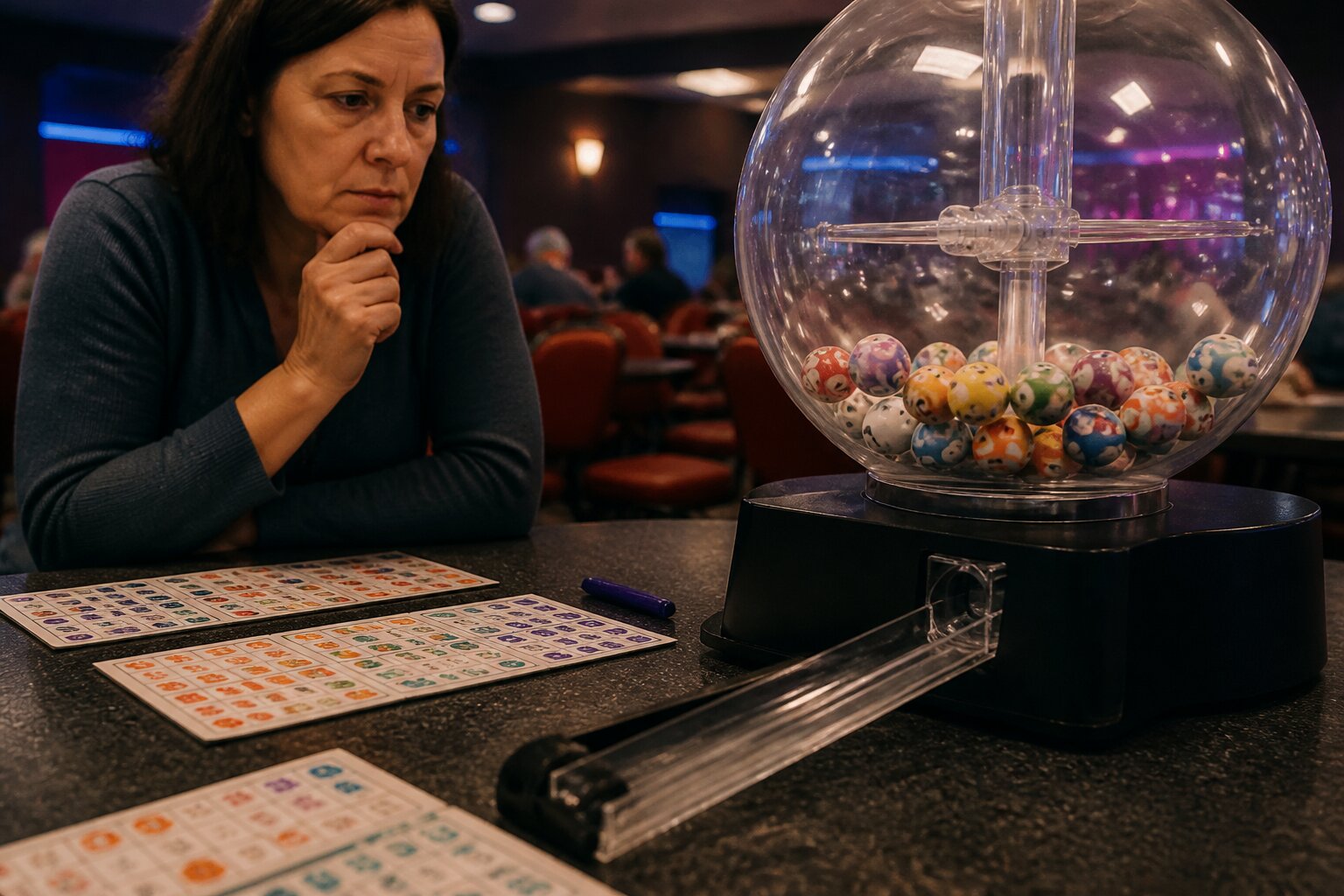
Numbers are selected at random during a game. In halls, a mechanical ball draw is used and operators follow set procedures to run the draw. Online, a computer programme called a Random Number Generator produces the sequence of numbers. As numbers are announced, players mark matching numbers on their tickets until someone completes a winning pattern, such as a single line, two lines, or a full house. Each pattern carries its own prize.
Because the game depends on random selection rather than player skill, the focus is on the draw process and the systems that ensure it is impartial.
Are Online and In-Person Bingo Equally Fair?
Both in-person and online bingo are subject to strict oversight to protect players. Halls use approved hardware and controlled procedures for mixing and drawing balls. These steps are designed to prevent interference and to ensure each draw is conducted exactly as required.
Online platforms rely on certified software to generate draws. Independent testing organisations check this software on a regular basis to confirm it behaves as expected. Licensed operators must also follow clear rules on transparency and payouts.
In short, the standards applied to the draw process and to operator conduct are similar across both formats, which helps to maintain consistent levels of fairness and security.
What Measures Ensure Fair Play in Bingo?
Multiple layers of protection are in place to keep bingo fair. Operators must meet regulatory requirements and submit to independent testing of their draw methods and software. These tests examine whether outcomes are produced without bias and whether systems are secure.
Technology plays an important role. Secure systems protect personal and financial information and record game activity so discrepancies can be investigated. Operators are required to keep accurate logs and to make details available during a review.
There are also operational controls such as audits and oversight by regulators. Together, these elements help ensure games are run transparently and that problems can be detected and fixed promptly.
Understanding Random Number Generators in Bingo
Random Number Generators, or RNGs, are the mechanism that produces random results in online bingo. An RNG is a software system that creates sequences of numbers that cannot be predicted and do not follow a pattern.
When you join an online game, the RNG determines which numbers are called. Reputable operators use RNGs that have been certified by independent testing labs. These labs review the software to ensure it meets technical standards and that results cannot be manipulated.
Because certified RNGs are a regulatory requirement, their use gives assurance that online draws are produced in line with the rules that govern fair play.
Can Bingo Be Manipulated by Operators?
Concerns about operators manipulating outcomes are understandable, but strong safeguards limit the possibility. Licensed operators face regular audits and independent testing, and any interference with draws would be a serious breach of licence conditions.
It is not feasible for a compliant operator to select winners or alter results without detection. Regulatory processes, external certification of software and equipment, and mandatory record-keeping create a chain of accountability that deters and exposes tampering.
If an operator were found to be manipulating games, regulatory action would follow and their licence could be revoked.
Myths About Rigged Bingo Games
A persistent myth is that operators can pick winners or change results. Since licensed venues and platforms use independently certified systems and are subject to inspection, this is not how legitimate games operate.
Another misconception is that certain tickets are configured to win more often. In regulated play, every ticket is produced and treated under the same rules, and draw mechanisms are designed so that outcome probabilities are consistent across tickets.
Knowing how draws are controlled and verified helps to dispel these myths and explains why independent oversight matters.
How Are Bingo Odds Calculated?
Odds in bingo are a matter of basic probability. The chance of any single ticket winning depends chiefly on how many tickets are in play and how many you hold.
If a game has 100 tickets and you hold one ticket, the probability that your ticket will be the winning one in a single-prize draw is 1 in 100. Owning more tickets increases your share of the total chance proportionally. As the number of participating tickets rises, the probability for any individual ticket falls.
Because outcomes are determined by random draws, there is no reliable method to predict which tickets will win. Understanding the mathematics behind the draw helps set realistic expectations about chances and payouts.
Regulations and Licensing for UK Bingo Sites
Operators in the UK must hold a licence and meet the standards set by regulators such as the UK Gambling Commission. Licences cover a range of operational areas to protect consumers and maintain market integrity.
Licensing requirements include:
- how games are run, including fairness and randomness;
- how operators handle customer funds, including segregation and safeguards against misuse;
- the protections in place for players, such as age verification, identity checks and measures to prevent problem gambling.
Regulators monitor operators through audits, reporting and periodic reviews to make sure rules are followed and that winners are paid correctly. They also require clear information about game rules and odds, and expect operators to keep robust records of game activity and financial transactions for inspection.
The framework also requires operators to have systems for responsible gambling. These commonly include customer self-exclusion, deposit and time limits, staff training to spot harm, and procedures for dealing with vulnerable customers.
There are formal routes for complaints and dispute resolution, and regulators can take enforcement action where standards are not met. This may include fines, licence suspensions or revocations, and requirements to remedy any harm caused.
Overall, the regulatory framework is designed to ensure transparency, promote fair play and provide recourse if something goes wrong. Operators must regularly review their controls and report changes to their licence conditions to remain compliant.
What Should You Do If You Suspect Unfair Play?
If you think a game has not been run properly, contact the operator’s customer support first. Licensed operators are obliged to have procedures to handle complaints and to provide the records needed for an investigation.
Keep copies of any correspondence and any evidence that supports your concern. If you are not satisfied by the operator’s response, independent complaints services can review the matter, and you may report the issue to the regulator.
If the situation affects your play or you feel it is impacting your behaviour, ask the operator about the help and tools they provide to support healthy play. There are established routes for raising concerns and for getting advice when needed.
Is Bingo a Fair Game Overall?
Taken as a whole, bingo in the UK is subject to strong safeguards intended to ensure fair outcomes. The combination of certified draw systems, independent testing, regulatory oversight and mandatory record-keeping creates a framework that makes manipulation highly unlikely for licensed operators.
Because draws are random and outcomes cannot be predicted, individual results will vary widely from game to game. That variability is built into how the game is designed and regulated.
If you choose to play, do so with an awareness of how odds work and with a provider that clearly explains its rules and processes. With those elements in place, you can be confident that the game is being conducted according to the standards expected in the industry.
**The information provided in this blog is intended for educational purposes and should not be construed as betting advice or a guarantee of success. Always gamble responsibly.