Feeling curious about where to get your next lottery ticket? With more ways to play than ever, it can be hard to know what is allowed and which channels are genuinely safe. Whether you prefer the familiarity of a shop or the convenience of a phone, this guide explains how ticket purchases work across the UK.
Read on for a clear, practical overview of buying tickets in person and online, what games you can access, how wins are handled, and the protections in place for players.
Current Ways to Buy Lottery Tickets in the UK
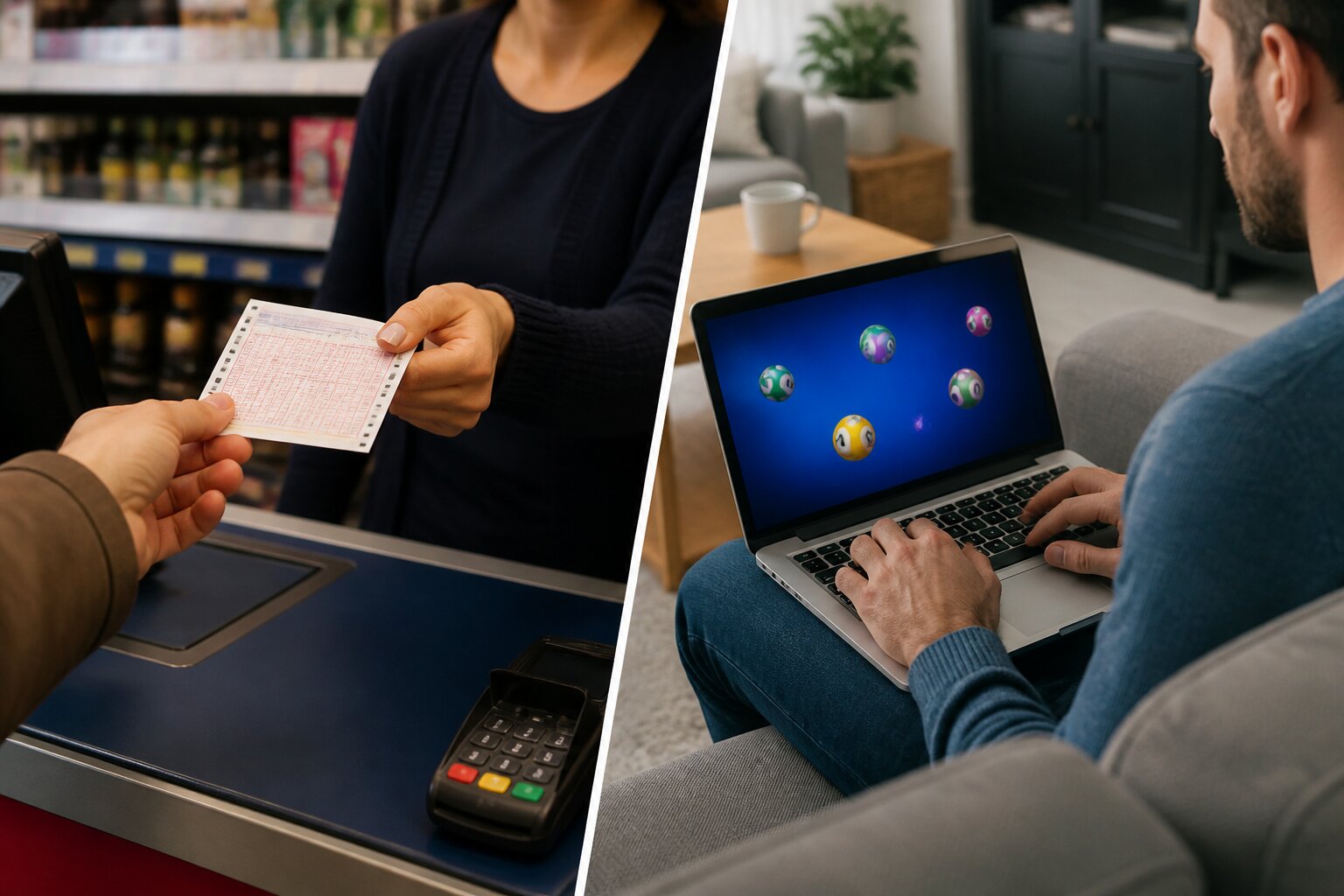
Tickets are available both in person and through authorised online channels. In everyday life most people still buy lottery tickets at local retailers such as newsagents, supermarkets or convenience stores. Those shops display official lottery branding and use terminals that issue physical tickets for draws like Lotto, EuroMillions and Set For Life.
Online options let you buy tickets via the official lottery website or mobile app, where draws, results and account management are handled digitally. You may also encounter ticket sales at larger retail outlets and some petrol stations that have lottery terminals. Whatever the channel, choosing authorised outlets ensures your purchase is valid and protected under UK rules.
If you want to check which games are available where, the next section looks at how game availability differs between shops and online platforms.
Which Lottery Games Can You Buy In-Store and Online?
Most major lottery draws can be accessed both in shops and on the official website or app. Lotto and EuroMillions are widely sold through retail terminals and online, while Set For Life and Thunderball are also provided across both channels. The main difference lies with instant-win options: digital scratchcard-style games are only offered online, whereas traditional paper scratchcards are confined to shops.
Occasional special draws or seasonal raffles may be offered in either channel, with availability sometimes varying by promotion or retailer. If you want to know whether a specific draw is on sale at a particular place, a quick look at the retailer or the official platform will show what’s currently offered.
Where Can You Buy Lottery Tickets In Person?
In-person sales are widely distributed across the high street. Supermarkets often sell tickets at customer service desks or dedicated terminals, and newsagents commonly handle sales alongside everyday purchases. Convenience stores provide an easy option for early or late purchases, and some petrol stations or larger retail outlets also host lottery terminals. Look for official lottery signage to confirm that a retailer is authorised to sell tickets.
Buying from a licensed retailer means your entry is recorded properly and covered by the relevant protections. From here, the article explains how the online purchase experience compares when you buy from a digital account.
How Do You Buy Lottery Tickets Online?
Online purchase is centred on the official lottery website and mobile app, which are regulated platforms requiring an account. Registration involves verifying identity and age, typically by submitting basic personal details and documents, and once that is complete you can select games and purchase tickets that are stored in your account for your convenience.
Payments are taken through secure, recognised methods and tickets are recorded digitally so they cannot be lost or damaged like paper slips. Automated notifications for wins mean you are informed without needing to check manually, and larger prizes are usually subject to a verification process before funds are released to your account. Choosing an authorised online platform helps ensure transactions and personal data are handled to required standards and that consumer protections are in place.
Finding Official and Trusted Websites
The safest online experience comes from using the official lottery site or app, which clearly show regulatory details, licensing information and account protections. These platforms use encryption and secure payment gateways, and they provide clear information about their terms and privacy policies so you know how your data is used.
Avoid unofficial or third-party sites that claim to sell UK lottery tickets, as they will not be authorised to do so and could put personal information at risk. Sticking to recognised providers reduces the chance of scams and makes it easier to access customer support and any dispute resolution services that apply.
The Online Purchase Process
Creating an online account involves identity and age verification to meet legal requirements and to help prevent underage gambling. The registration may include checks against public records and official ID, and platforms will also offer tools for self-limitation and account controls.
Once registered, the platform stores your tickets and handles notifications for any wins, with digital records available in your account history. Payments must use permitted methods; credit cards are not accepted for gambling transactions in the UK, so you will need to use alternative debit or other approved payment options. With the basics covered here, the following section explains the eligibility rules in more detail.
Are There Any Restrictions on Who Can Buy Lottery Tickets?
The primary restriction is age: only people aged 18 or over may purchase tickets in the UK. Both retailers and online operators must carry out age checks and will ask for identification where necessary. Online platforms also verify identity and location before allowing purchases to prevent underage play, help protect the integrity of the games and ensure players are within the jurisdiction where the operator is licensed.
There are other practical limits to be aware of. Operators may refuse sales to customers who are self-excluded through schemes such as GAMSTOP, or to those whose accounts have been suspended for regulatory or security reasons. Retailers and operators may also have their own rules that prevent staff, contractors or immediate family members from participating in the promotions they run.
Regulatory protections are designed to keep play within legal boundaries, and the systems used by retailers and digital platforms support those requirements. The next section explains how prize claims differ depending on where you bought the ticket.
What Happens If You Win, In-Store vs Online?
If a prize comes from a paper ticket purchased in a shop, the physical ticket is required as proof when claiming, particularly for larger amounts. Smaller prizes can often be claimed at the retailer or another authorised outlet, while significant wins follow the formal claims process that involves contacting the lottery organisation and completing the necessary paperwork.
Online tickets are held within your account, which removes the risk of losing the entry. Small prizes are usually paid into the online account or transferred to a nominated bank account, and larger wins trigger direct contact from the lottery team with instructions on claiming. Regardless of how a ticket was bought, it pays to check official result channels and follow the prescribed claims process to make sure any prize is collected correctly.
Safety, Security, and Payment Methods
Both in-person and online purchases use secure payment and record-keeping systems. In shops, retailers accept cash and debit cards according to their own policies. Online platforms accept recognised digital payment methods but not credit cards, in line with UK rules intended to reduce financial harm.
Operators follow regulatory standards and work with established payment providers to process transactions reliably. Verification checks and age checks are carried out where required to help prevent unauthorised use and to ensure compliance with licensing conditions.
Data protection measures and encryption keep personal and payment details secure online. Account and security practices are regularly reviewed as part of broader compliance obligations, and operators must meet data-handling standards set out by regulators.
Operators also provide account tools to help players set limits or manage activity, thereby offering practical ways to control spending. Where available, help and self-exclusion options are clearly signposted, and customer service teams can explain the controls on request.
With these protections in place, the next section answers some common practical questions people have.
Common Questions About Buying Lottery Tickets in the UK
A few practical points are worth bearing in mind. Tickets are not usually refundable, so decisions are final once a purchase is complete. Losing a winning paper ticket can make a claim difficult, which is why physical tickets should be kept safe. Limits on the number of entries per draw exist to keep participation manageable for all players. Online accounts provide features to set deposit or spending controls and to access support if needed.
If further help is required, there are recognised support organisations available to talk through concerns and options. With those questions covered, the following section shows straightforward ways to check results securely.
How to Check Your Lottery Results
Official channels are the most reliable way to check results. The lottery website and app post up-to-date draw information and let you check tickets stored in your online account. Authorised retailers often display recent results at their lottery terminals, and results are published through mainstream media as well.
Avoid using unverified websites or social media for results, which can be inaccurate or misleading. Using trusted sources makes it easier to spot any winnings and follow the correct process to claim them.
**The information provided in this blog is intended for educational purposes and should not be construed as betting advice or a guarantee of success. Always gamble responsibly.