
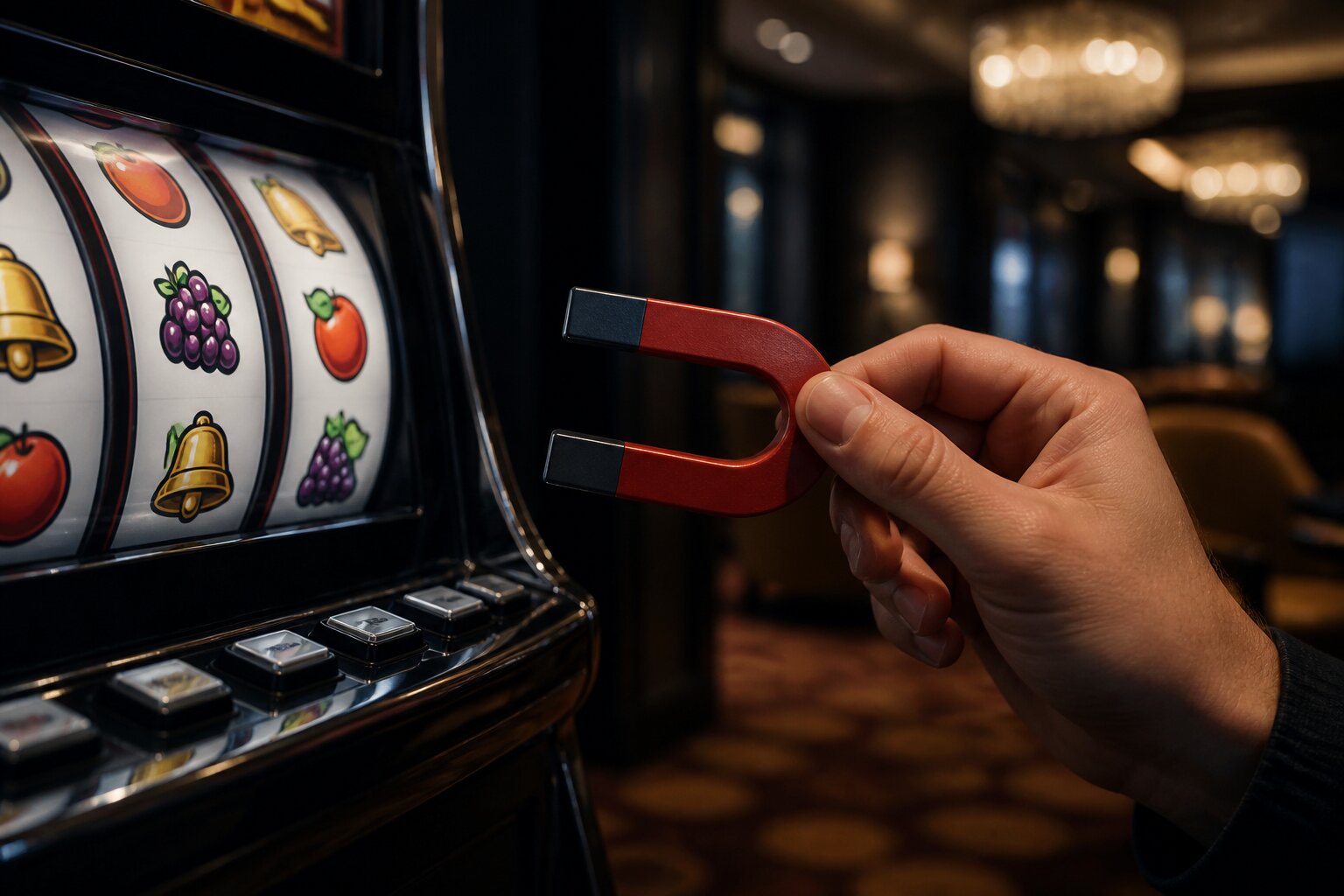
Ever wondered if a simple gadget could outsmart a slot machine? Stories about using magnets to fool the reels have circulated for decades, and they make for a tempting mystery. But do these tales stand up to scrutiny, or are they just clever storytelling?
Slot machines have changed a great deal since the early mechanical models, and so have the safeguards around them. Before you buy into any pub tales or viral clips, it helps to look at how modern machines work and why the magnet myth keeps resurfacing.
Read on to separate fiction from fact and find out what really goes on behind the glass.
What Is the Magnet and Slot Machine Myth?
The magnet-and-slot myth is straightforward: some people claim that a strong magnet can interfere with a slot machine’s reels and force a winning combination. That idea dates back to an era when many machines used visible metal parts and simple mechanics, so the concept felt plausible to some.
These memories and stories have stuck around even after mechanical machines were largely replaced. The myth persists because it’s an appealing story to tell and easy to repeat, but the machines most players encounter today are far removed from those early designs.
Understanding where the story started helps explain why it keeps reappearing, even though the technology that would allow it to work no longer exists in modern machines.
How Do Slot Machines Actually Work?
Modern slot machines are driven by internal computer systems rather than mechanical linkages. At the core is a Random Number Generator, or RNG, a programme that continuously produces number sequences. When a player initiates a spin, the machine uses the current RNG output to determine the symbols that appear.
Because the outcome is determined inside sealed software rather than by external moving metal parts, nothing you hold outside the cabinet can alter the result. Machines are also subject to regular technical checks and certification to confirm that the RNG and payout systems work as intended.
This combination of sealed electronics and independent testing is what makes modern machines resistant to physical tampering and what separates them from their mechanical ancestors.
Why Do People Believe Magnets Can Affect Slot Machines?
There are a few reasons the magnet story endures. First, historical memory plays a role: mechanical machines once had components that could, in certain cases, be manipulated. Second, popular culture and dramatic portrayals in films or TV sometimes show characters exploiting simple devices to cheat, which reinforces the idea.
Third, misunderstanding the technology can lead people to invent explanations. If you picture visible reels and metal parts, a magnet seems an obvious tool. Once these ideas are repeated enough, they take on a life of their own.
In practice, however, the technical architecture of contemporary machines makes the kind of interference suggested by the myth impossible.
Are Modern Slot Machines Vulnerable to Magnets?
No. Modern machines are constructed to prevent tampering, and magnets cannot influence the software decisions inside a sealed cabinet. The systems that choose and display outcomes are electronic and isolated from external magnetic fields in normal use.
Regulatory frameworks require operators to maintain and protect this equipment, and machines are designed with both active and passive safeguards to make interference impractical and ineffective.
How Are Slot Machines Designed to Prevent Tampering?
Manufacturers build multiple protective layers into machines. The main computer components are enclosed and alarmed so that any attempt to access them triggers an alert. Software is subject to certification and periodic audits by independent testing bodies to ensure it behaves correctly.
Hardware protections include tamper-evident seals and locked wiring compartments. Internal communications are frequently encrypted, and service access is controlled and logged to create a clear chain of custody for any maintenance work.
These measures work together to ensure that the outcome-determining systems cannot be altered by external objects or casual tampering.
Legal Consequences of Slot Machine Tampering in the UK
Interfering with gaming equipment is a criminal matter. UK legislation treats tampering with machines as fraud or similar offences. Those found attempting it can face legal action and serious penalties, including:
- Prosecution in criminal courts
- Financial penalties such as fines
- Custodial sentences in more serious cases
Venues and operators also take swift action against offenders. In addition to criminal proceedings, individuals can be removed from premises and placed on permanent or long-term exclusion lists, which may prevent access to other licensed venues.
Regulatory bodies expect operators to report and investigate suspicious activity and to cooperate with law enforcement. Specifically, operators are required to:
- Report incidents to the relevant authorities and regulators
- Conduct internal investigations and preserve evidence
- Share information with law enforcement when requested
Beyond immediate legal penalties, involvement in tampering can lead to lasting personal consequences. Convictions can result in criminal records, complicate future employment prospects, affect travel and insurance arrangements, and harm personal and professional reputations.
That legal framework is one of the reasons efforts to cheat machines are both risky and rarely successful. Licensing conditions, surveillance, forensic investigation tools and close cooperation between operators and regulators make detection and prosecution more likely than perpetrators often expect.
The Reality: Can Magnets Influence Slot Machine Outcomes?
In short, magnets do not influence outcomes on modern slot machines. The outcome is determined by internal software and certified systems that are isolated from ordinary physical interference. Any claim that a magnet or similar device can guarantee wins conflicts with how contemporary machines are engineered and regulated.
As an operator, we ensure games are tested and monitored so players receive consistent, verified results. If you play, expect a fair experience underpinned by technical controls and oversight rather than any external shortcuts.
If you have questions about how a particular game works or want to check its certification, customer support can point you to the testing and audit information that applies.
Final Verdict: Myth vs Reality
The magnet trick belongs to the past. Modern technology and regulation make the idea impractical and illegal, and attempting to tamper with machines risks serious criminal and personal consequences. If you enjoy playing slots, choosing regulated sites and venues ensures the systems are maintained and independently checked. Play with clear expectations, follow the rules, and you’ll be taking part in a controlled, verifiable game rather than chasing myths.
**The information provided in this blog is intended for educational purposes and should not be construed as betting advice or a guarantee of success. Always gamble responsibly.