
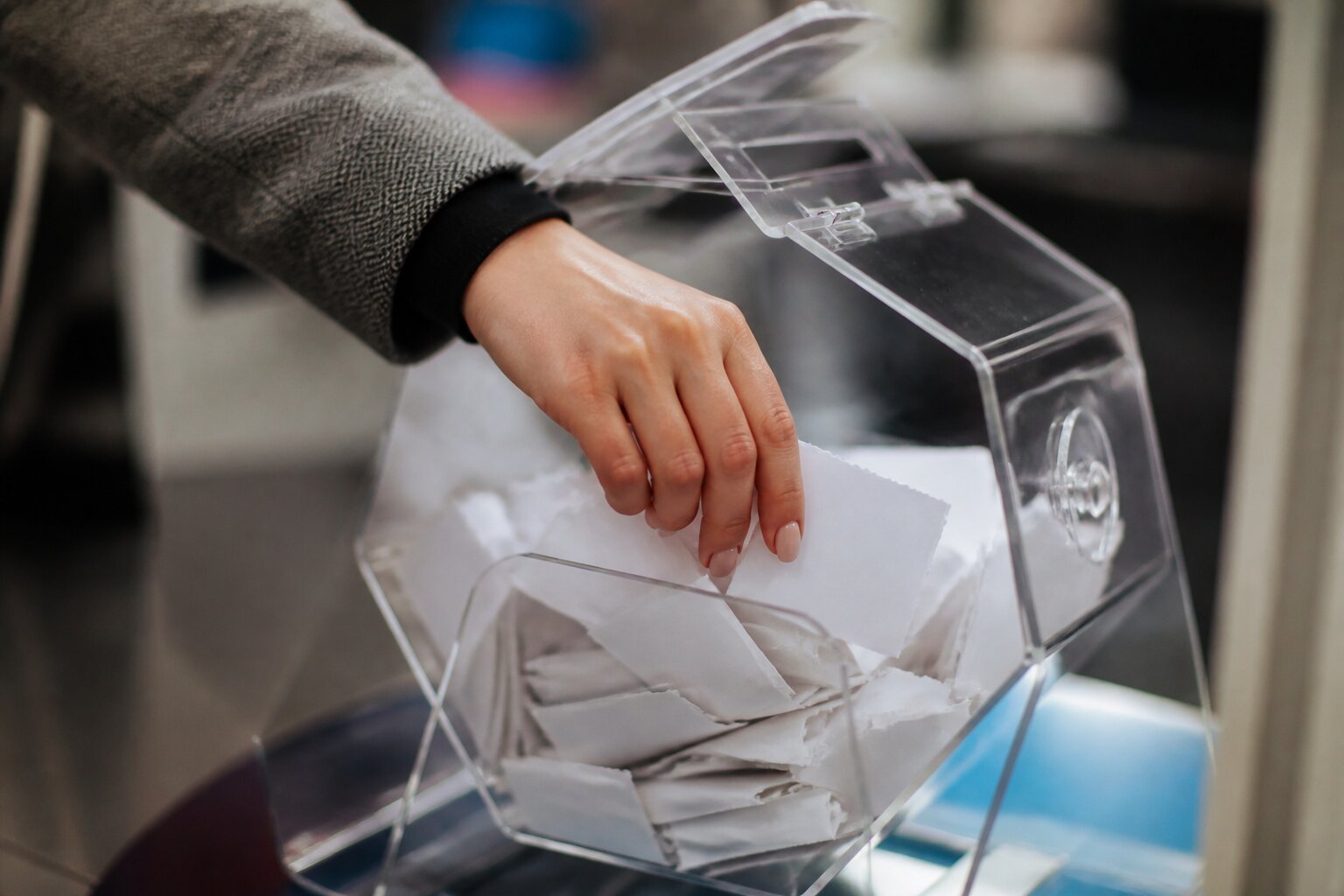
Ever stood at the counter unsure which numbers to pick and opted for a Lucky Dip? Millions across the UK use this quick option every week so it’s reasonable to wonder whether those computer-generated entries are fair, or if they might be somehow less likely to win.
There’s a lot of myth and speculation around how Lucky Dip selections are produced and treated. This piece walks through the mechanics, the rules that govern them, and the evidence so you can decide for yourself before your next ticket purchase.
Read on to learn how the system works, what safeguards are in place, and what it really means for your chances of winning.
Understanding How Lucky Dip Lottery Tickets Work
A Lucky Dip generates a set of numbers automatically using a random number generator (RNG) rather than requiring the player to pick each number. Whether the request is made at a shop till or via an online entry, the operator’s system produces a unique combination on the spot and issues that as a ticket.
These systems are part of the same regulated infrastructure used across other forms of authorised gaming where outcomes must be unpredictable and unbiased. That infrastructure makes it technically impossible for shop staff or operators to steer specific tickets toward or away from particular results. The numbers issued by a Lucky Dip are just another valid entry in the draw and are recorded and processed like any other ticket.
With that technical picture in mind, it helps to see how regulators step in to make sure the process remains fair and accountable — the next section explains the safeguards that apply.
Official Regulations For UK Lottery Draws
National lottery operations are governed by strict rules and independent oversight, designed to protect players and maintain public confidence. Operators must use tested and certified systems; draws are observed and audited by independent parties to confirm procedures are followed exactly as required.
If an operator fails to meet these standards, regulators can impose penalties including fines or licence revocation. Such consequences provide a powerful incentive for robust compliance and regular independent checks, from system certification through to draw-day protocols and post-draw verification.
These measures work together to ensure every valid entry is treated equally. With this regulatory backdrop established, we can look more closely at how computer generation affects the odds, and whether there is any practical difference for players.
Do Computer-Generated Entries Affect Your Odds?
Choosing a Lucky Dip or manually selecting numbers does not change the mathematical odds of matching the drawn numbers. Both entry types feed into the same draw and are subject to the same verification and counting processes.
Systems that create computer-generated entries are explicitly designed to produce unbiased selections. External specialists test these systems for statistical randomness and compliance, and results must meet defined standards before they are used in regular operations. This testing reduces the risk of predictable patterns or systematic bias in the numbers issued.
How this testing works and how it compares to manual selection is useful context for many players, so the next two subsections explain the safeguards in more detail and then compare the two entry methods directly.
How Random Number Generation Is Ensured
RNG systems used for Lucky Dip selections undergo independent assessment to confirm they generate number sets without pattern or favouritism. Test reports examine output over very large samples to detect anomalies, and any anomalies trigger further investigation and remediation before the system can be used again.
These certification steps are part of a documented audit trail. That trail shows who ran each test, what methods were used, and how the system performed, which helps maintain transparency and public trust in the process.
Comparing Lucky Dip Vs Manual Number Selection
From a practical standpoint there is no difference in treatment between a Lucky Dip ticket and a manually chosen entry. Both are valid entries in the draw and both are processed identically when prizes are allocated. The choice is therefore a matter of convenience or personal preference rather than one of advantage.
Now that the mechanics and safeguards are clear, it’s useful to address common misunderstandings that often lead people to doubt the fairness of Lucky Dip entries.
Common Myths About Lucky Dip Lottery Tickets
A few persistent myths surround Lucky Dip tickets. One is that computer-generated entries somehow receive less favourable treatment or are deliberately excluded from winning draws. Given the testing, auditing and independent oversight already described, such a scenario would be detectable and quickly addressed by regulators.
Another myth is that fewer winners come from Lucky Dip tickets. In truth, the proportion of winners from different entry types tends to reflect how many of each type are played. Where more people use the automatic option, more winners will naturally arise from those tickets; where fewer use it, fewer winners follow. This distribution simply mirrors participation patterns rather than indicating any bias.
Myths often grow from incomplete information, so the next section explains precisely how winnings are assigned to remove any remaining uncertainty.
How Are Lottery Winnings Distributed?
Prize allocation follows a transparent, rule-based process. Prize tiers and payout rules are published in advance, and once a draw is complete the system matches drawn numbers to all valid entries and assigns prizes accordingly. That includes tickets issued by Lucky Dip and those where numbers were selected by the player.
Independent auditors review the matching and payment steps to ensure accuracy. When higher-tier prizes require verification, additional checks confirm claimant identity and ticket validity before funds are released. This layered approach helps ensure prizes go to legitimate winners and that distributions align with the published rules.
Understanding this distribution process makes it easier to see why buying method does not affect prize entitlement, a point considered further when thinking about whether to use a Lucky Dip.
Should You Worry About Buying Lucky Dip Tickets?
There is no technical or regulatory reason to worry about choosing a Lucky Dip. The systems that create these entries are certified, supervised and subject to regular audits, and the rules that govern draws ensure all entries are treated equally.
It is sensible to approach playing with moderation. Setting personal spending limits and treating the lottery as entertainment are practical ways to keep participation sustainable and controlled. If play ceases to feel enjoyable or becomes a concern, seeking support from dedicated services can help; those resources exist for anyone who needs them.
With these safeguards and behaviours in mind, the final section summarises the core points so you can decide whether Lucky Dip entries suit your approach.
Conclusion: Are Lucky Dip Tickets Fair And Worth Choosing?
Lucky Dip entries are produced and handled within the same regulated framework as all other valid entries. Independent testing of random number systems, audit trails, and ongoing oversight ensure numbers are generated and prizes allocated without preferential treatment.
The difference between a Lucky Dip and a manually chosen ticket is purely procedural: one is generated by a tested system, the other is entered by an individual. Both are equally valid in the draw and subject to identical rules. Whether someone prefers the convenience of an automatic selection or the ritual of picking specific numbers, either choice receives the same treatment.
Play within personal limits, be aware of available support if needed, and choose the entry method that fits your style — Lucky Dip remains a fair and practical option for anyone who wants a quick way into the draw.
**The information provided in this blog is intended for educational purposes and should not be construed as betting advice or a guarantee of success. Always gamble responsibly.